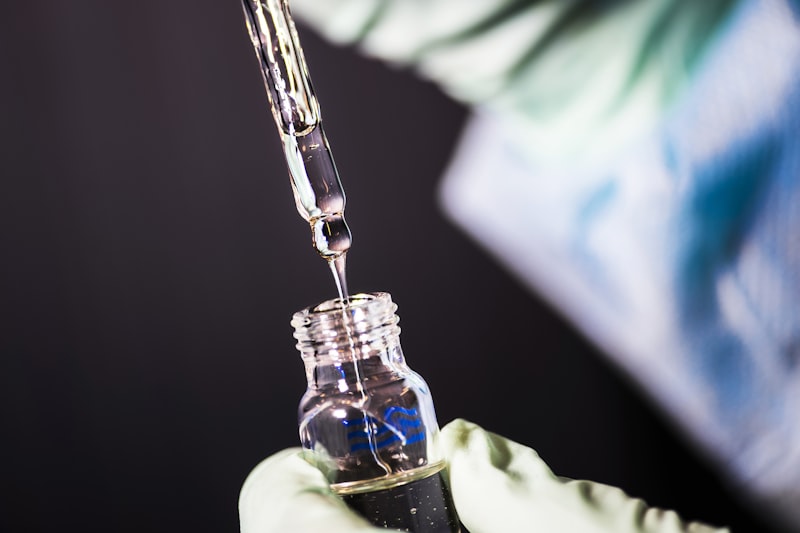
BPC-157 is the most talked-about peptide in every biohacking thread ever. it’s also probably the most overhyped — not because it doesn’t work, but because people act like it cures everything including bad vibes.
let’s look at what the science actually supports.
the basics
a synthetic 15-amino-acid chain derived from a protein in your stomach acid. “BPC” = body protection compound. studied since the 90s, mostly by a research group in Croatia (worth noting — independent replication is still limited but growing).
how it works
- makes new blood vessels (angiogenesis via VEGF) → better nutrient delivery to damaged tissue
- increases growth hormone receptor density at injury sites → your body’s own GH works harder locally
- modulates nitric oxide → regulates blood flow and inflammation
- activates cell migration → repair cells find the injury faster
what the studies actually show
strong evidence (multiple animal studies):
- achilles tendon repair
- muscle crush injury healing
- gut protection (NSAID damage, ulcers, IBS models)
- ligament repair
- bone fracture acceleration
moderate evidence:
- nerve repair
- liver protection
- corneal healing
weak/mostly anecdotal:
- depression/anxiety
- cognitive enhancement
- anti-aging (broadly)
the elephant in the room
most BPC-157 research is in rats. human clinical trials are extremely limited. this is true for basically all peptides, but let’s be honest about it.
does that mean it doesn’t work in humans? no — the anecdotal reports are overwhelming and consistent. but “thousands of reddit users say it worked” ≠ a double-blind placebo-controlled trial.
i use it. i’ve seen results. but i hold that with appropriate humility.
how i dose it
- 250mcg 2x/day for active recovery
- 250mcg 1x/day for maintenance
- subcutaneous, near the problem area
- 4-8 week cycles
side effects
in my experience: basically none. community reports are similar — occasional mild nausea the first few days, injection site redness. nothing systemic or serious.
but no long-term human safety data exists. keep that in mind.
my take
best risk-reward ratio in the peptide space. solid mechanisms, extensive (animal) research, minimal sides, and consistent anecdotal results for soft tissue healing. it’s the one i recommend to anyone who’s curious about peptides.
miracle compound? no. best non-surgical option i’ve found for nagging injuries? honestly yeah.
ready to try it? my beginner’s stack guide walks through everything.